The Place of Mud
Disciplines: Placemaking, Environmental design, Cultural Visibility
Designed At: [Lost & Found]
The Place of Mud
Disciplines: Placemaking, Environmental design, Cultural Visibility
Designed At: [Lost & Found]
The Place of Mud
Disciplines:
Placemaking, Environmental design, Cultural Visibility
Designed At:
[Lost & Found]
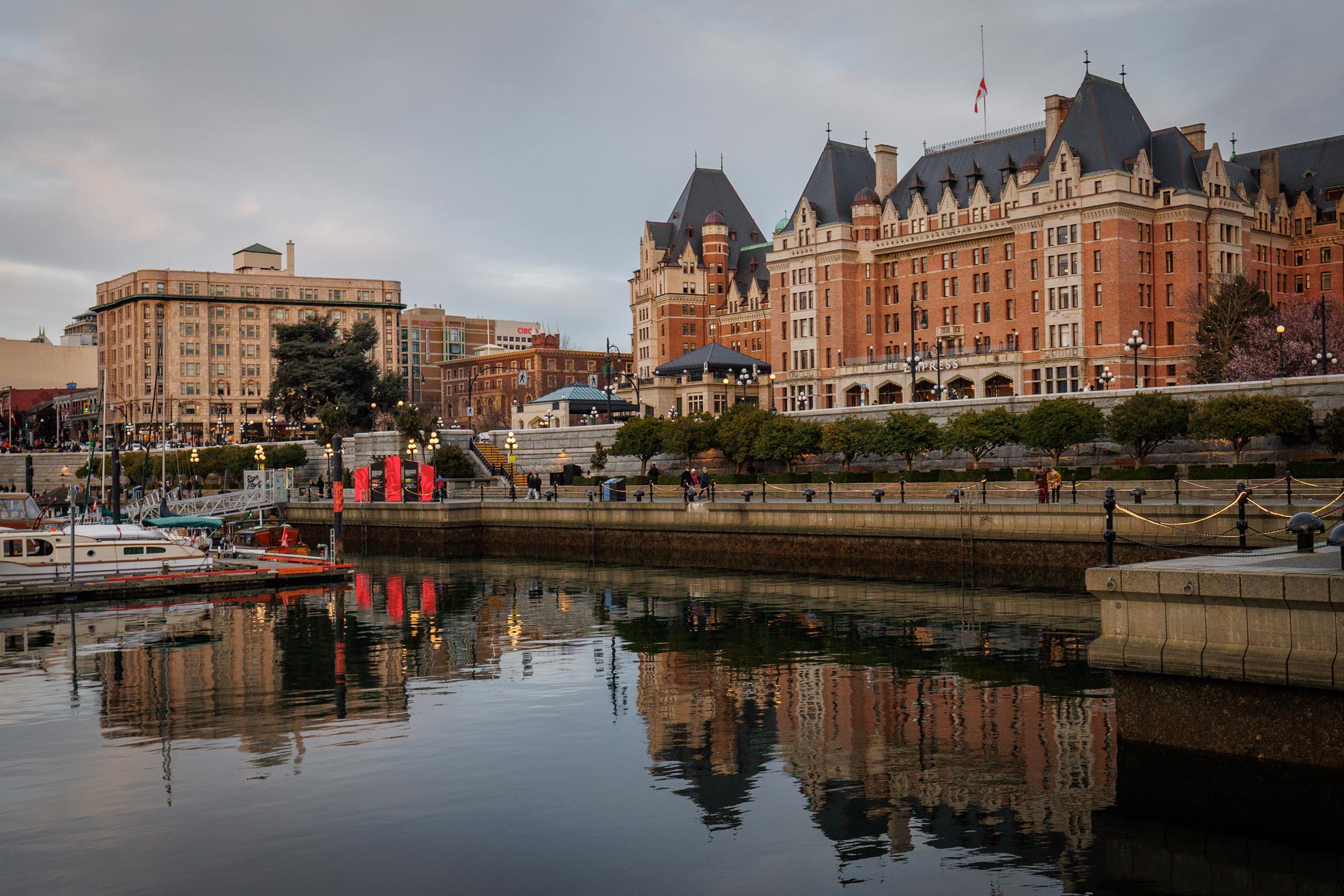
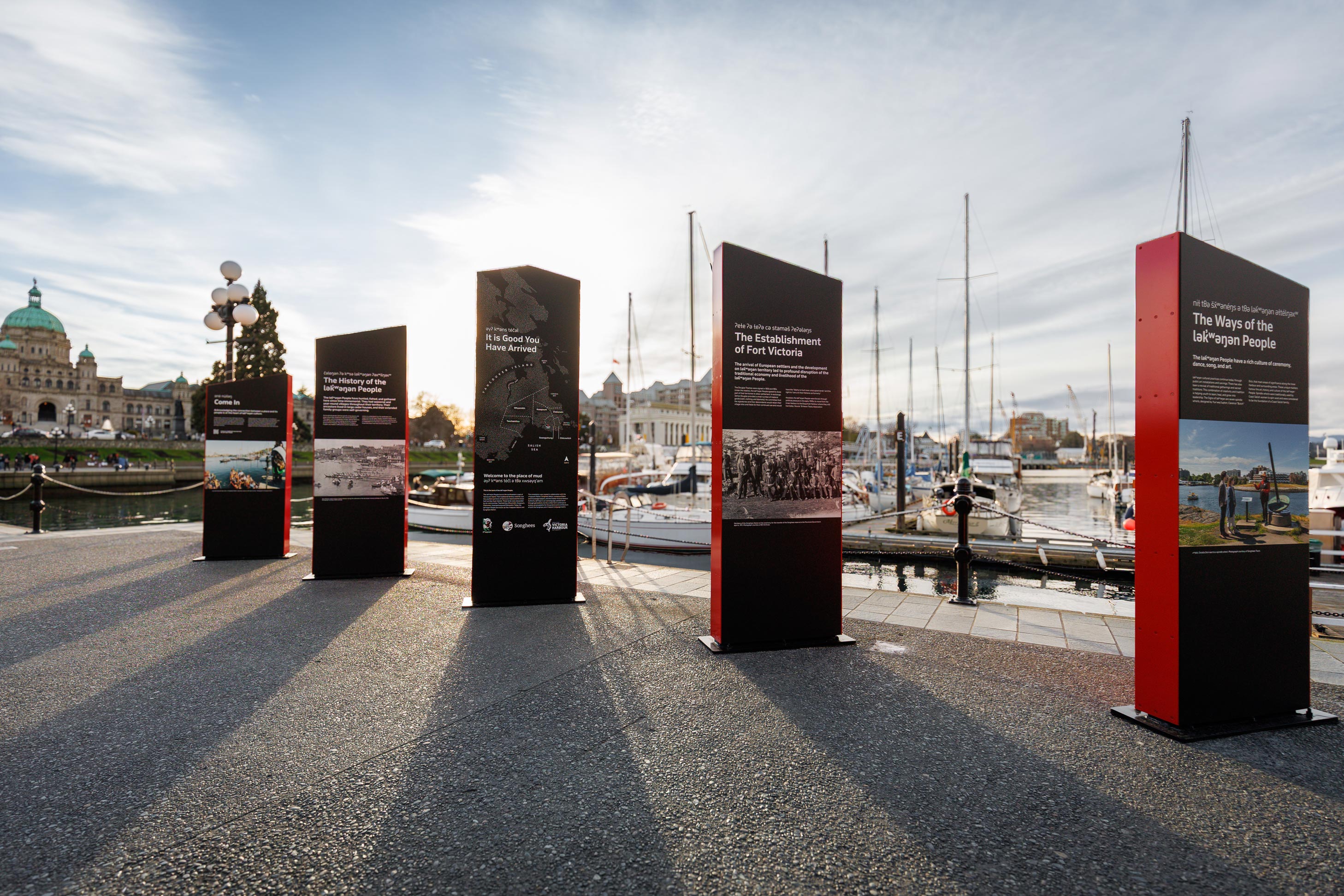
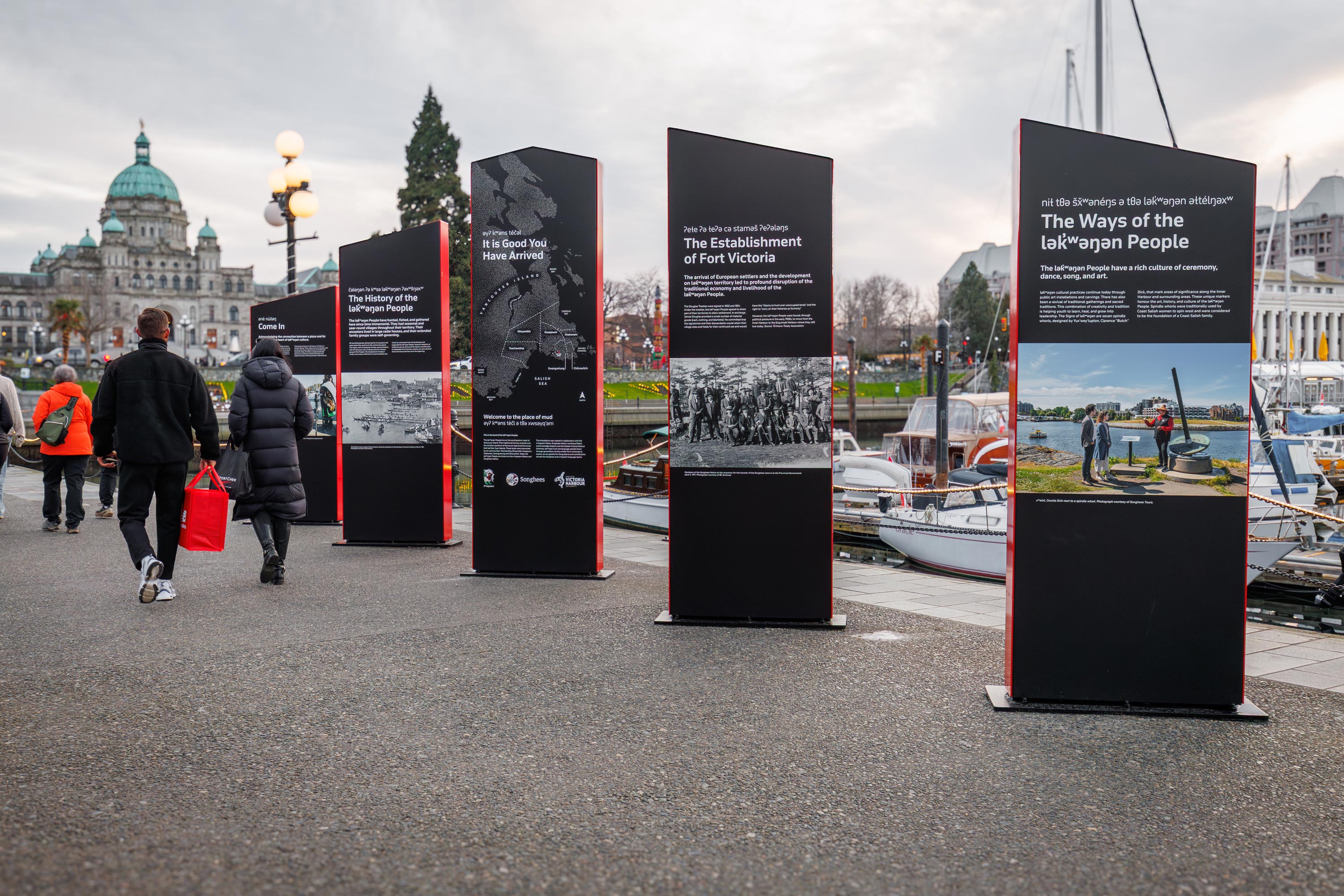
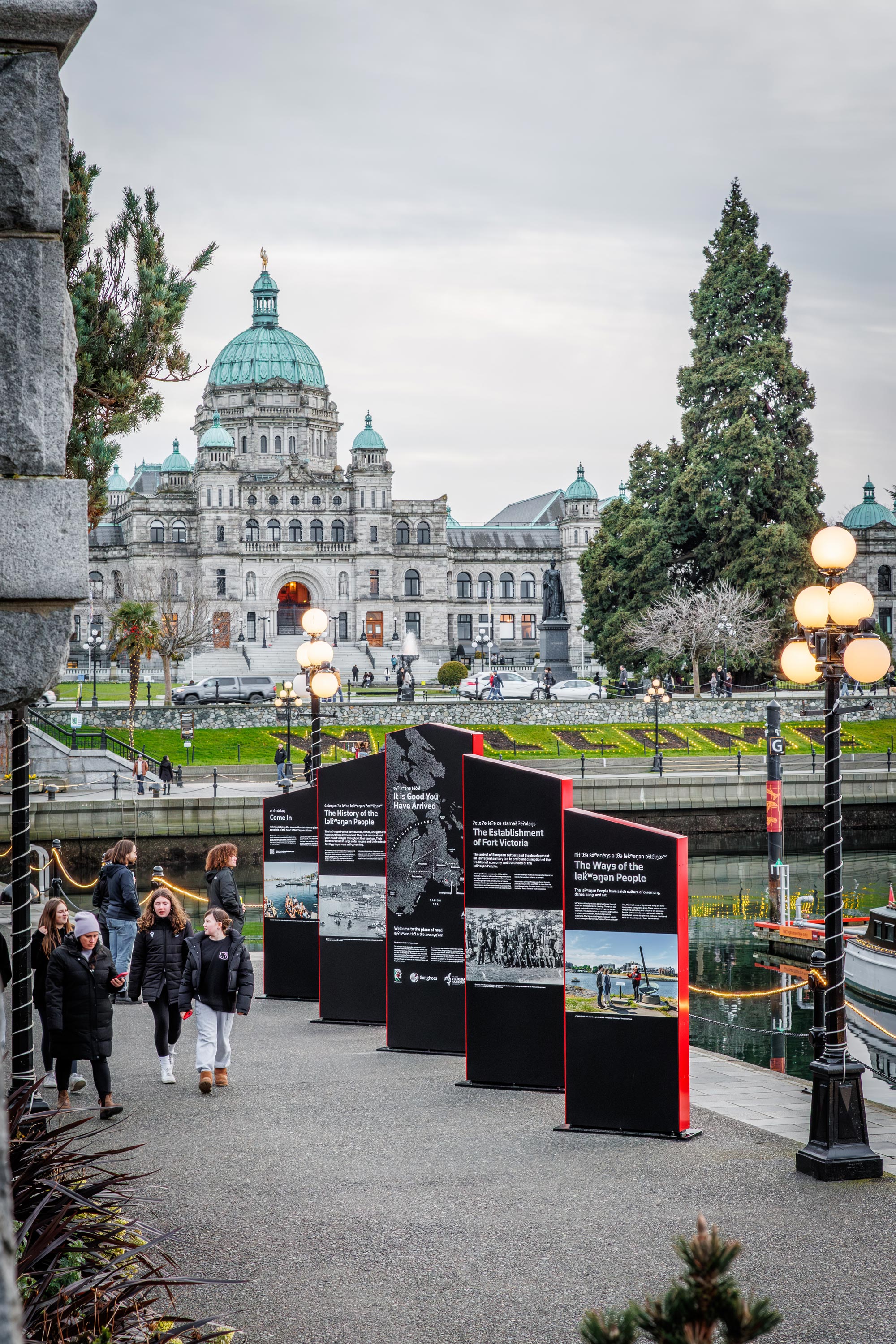
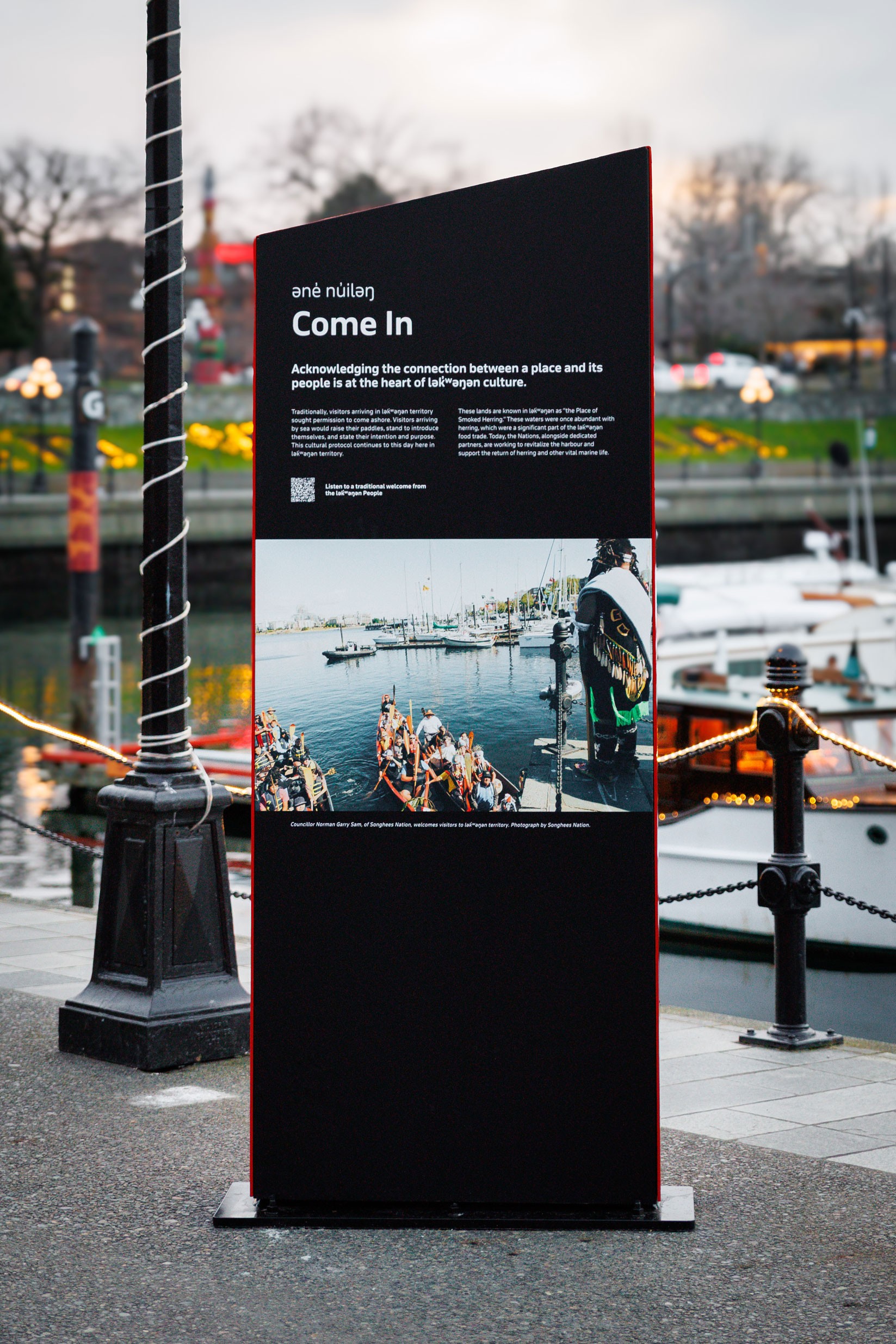
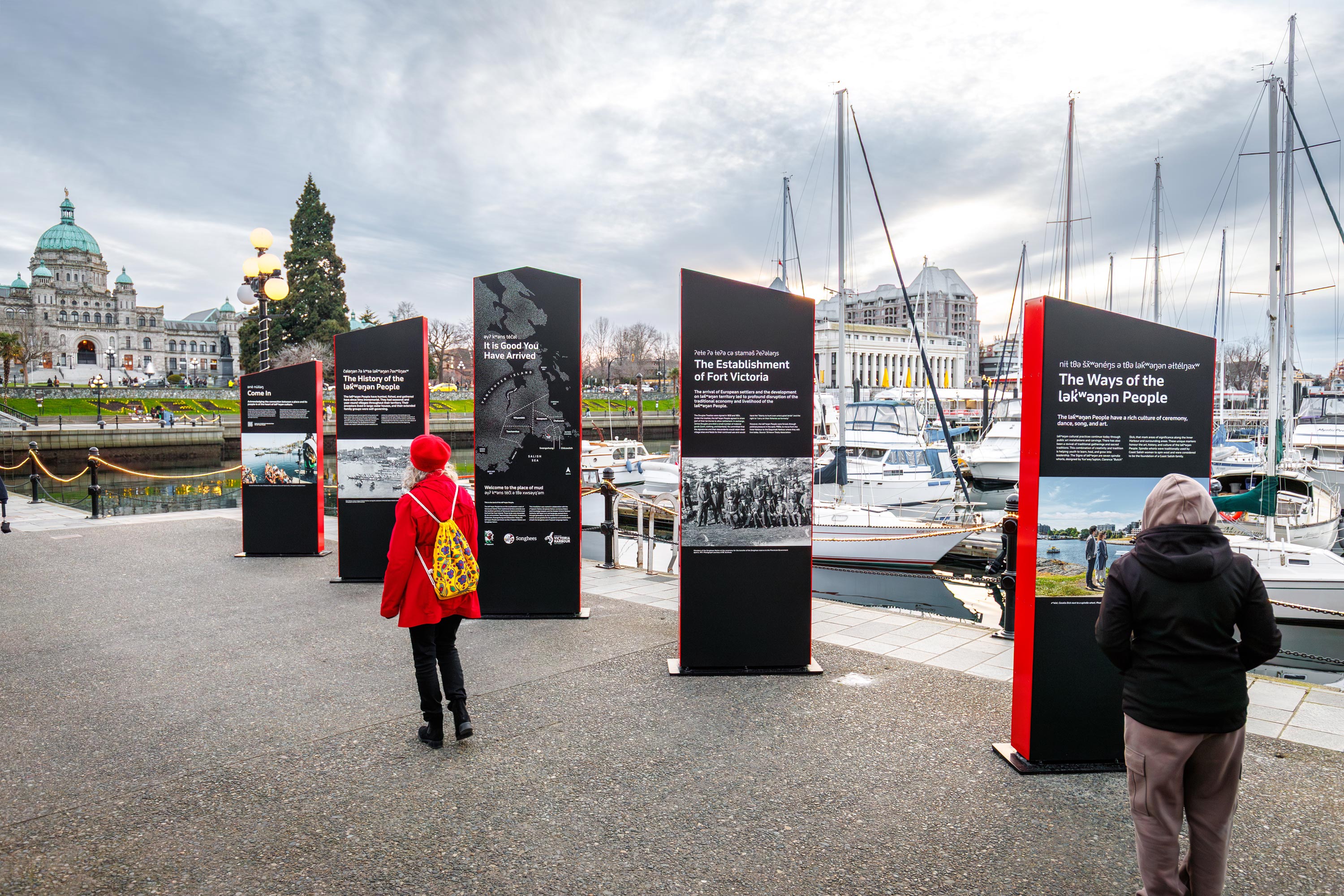
xwsəyq'әm or “the Place of Mud” is an interpretive placemaking installation which reclaims and honours a site of profound cultural, ecological, and historical significance in the Inner Harbour of Victoria, BC. Long before the causeway and historic Empress Hotel were built, the area was a tidal wetland teeming with shellfish, crabs, and fish, fed by three freshwater streams. It served as a traditional village site of the lək̓ʷəŋən-speaking Songhees and xʷsepsəm (Esquimalt) Nations, a place of gathering, harvesting, and trade for generations. This interpretive installation is the latest collaboration between Lost & Found Design and the Greater Victoria Harbour Authority (GVHA) in partnership with Songhees and xʷsepsəm Nations, and part of an ongoing, community-led initiative to incorporate lək̓ʷəŋən culture, language, and history into the fabric of Victoria's Inner Harbour.
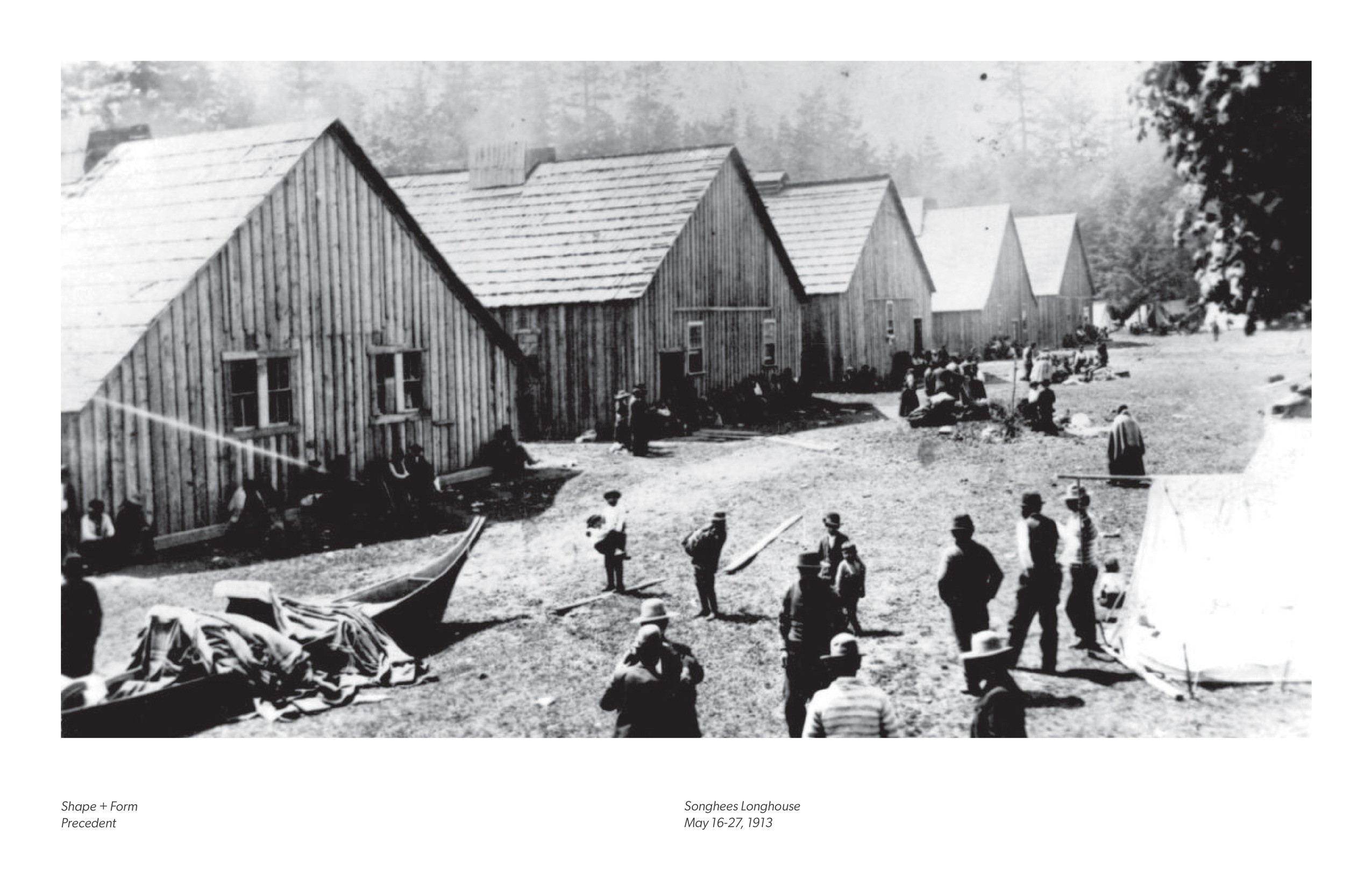
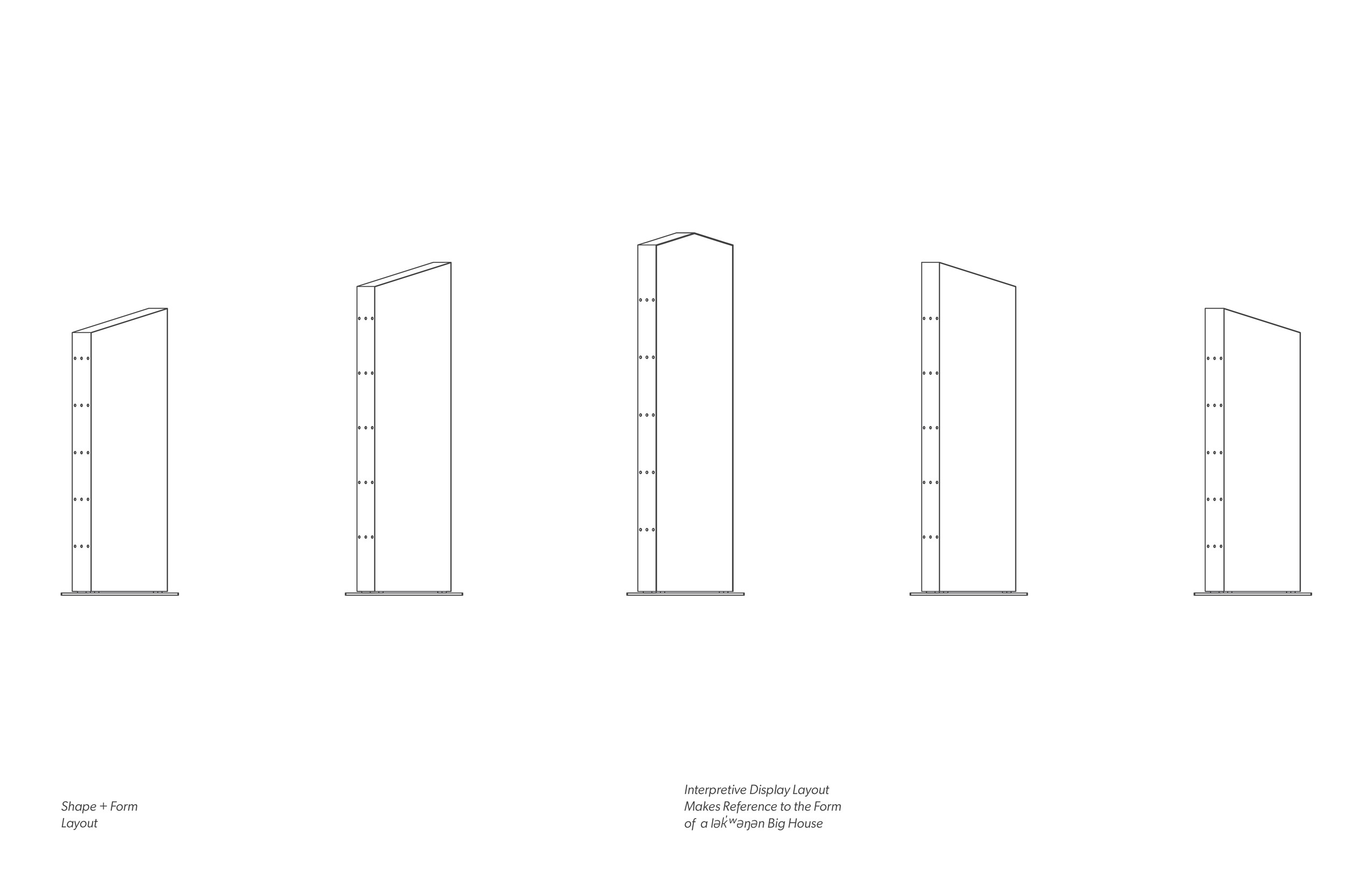
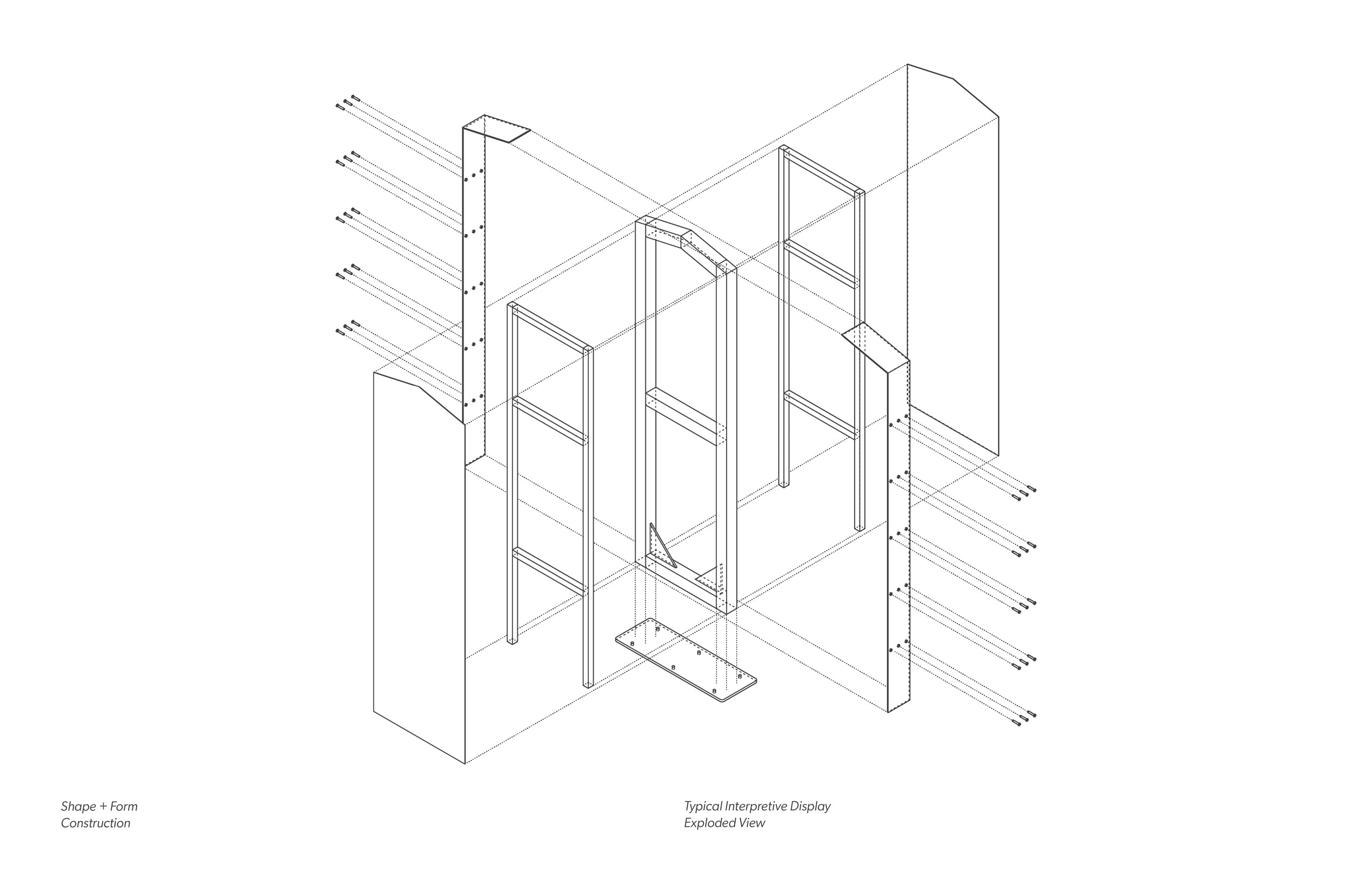
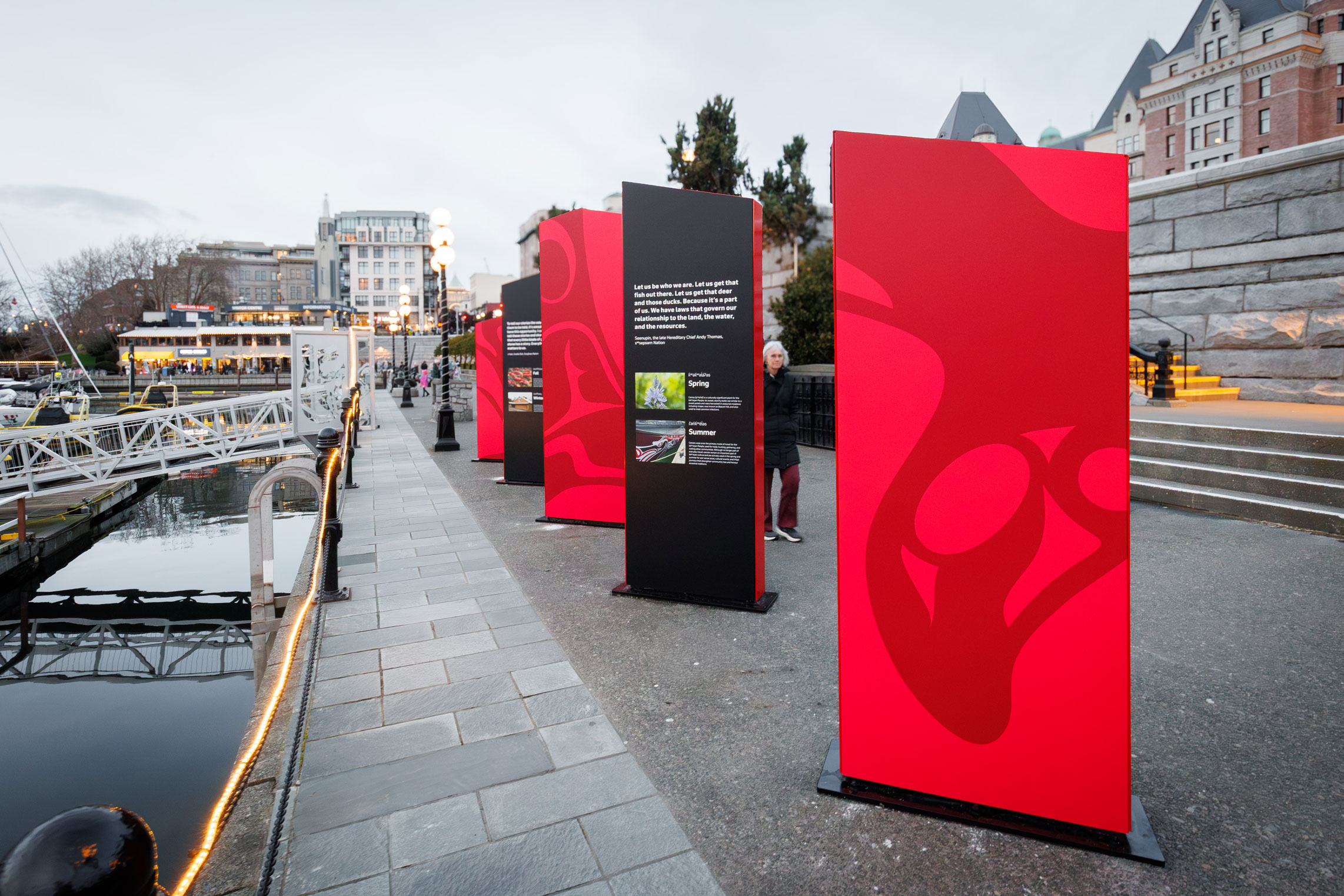
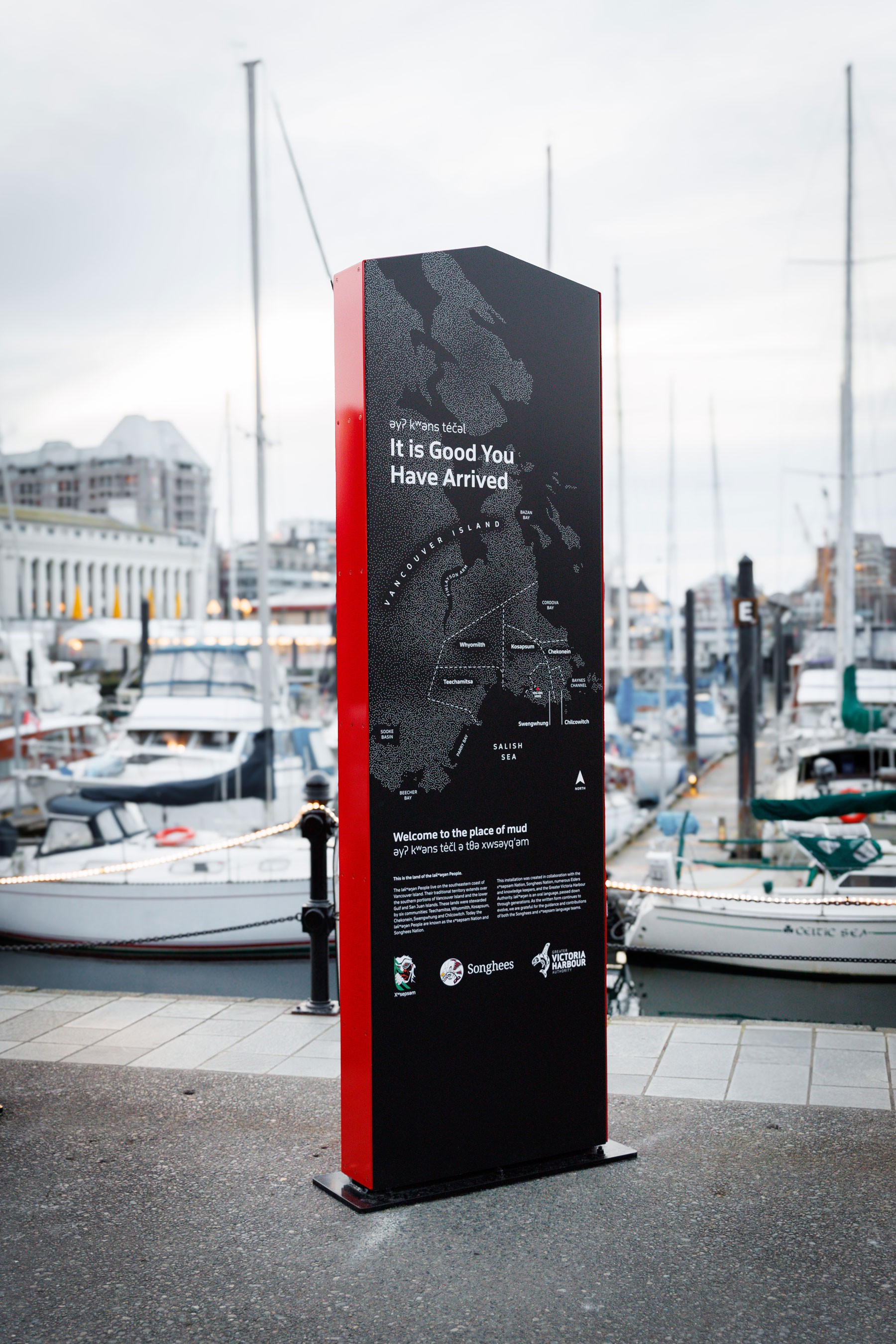
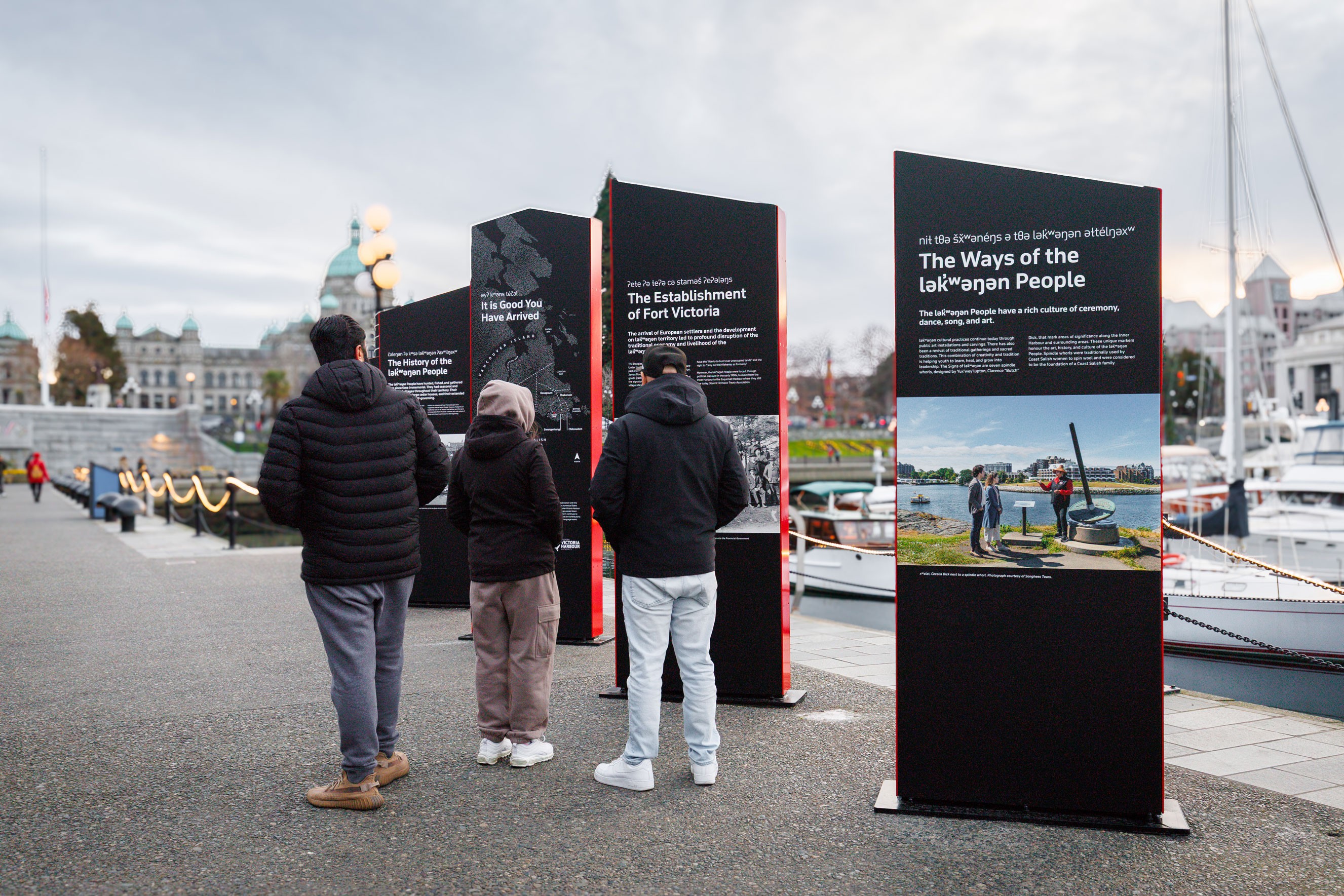
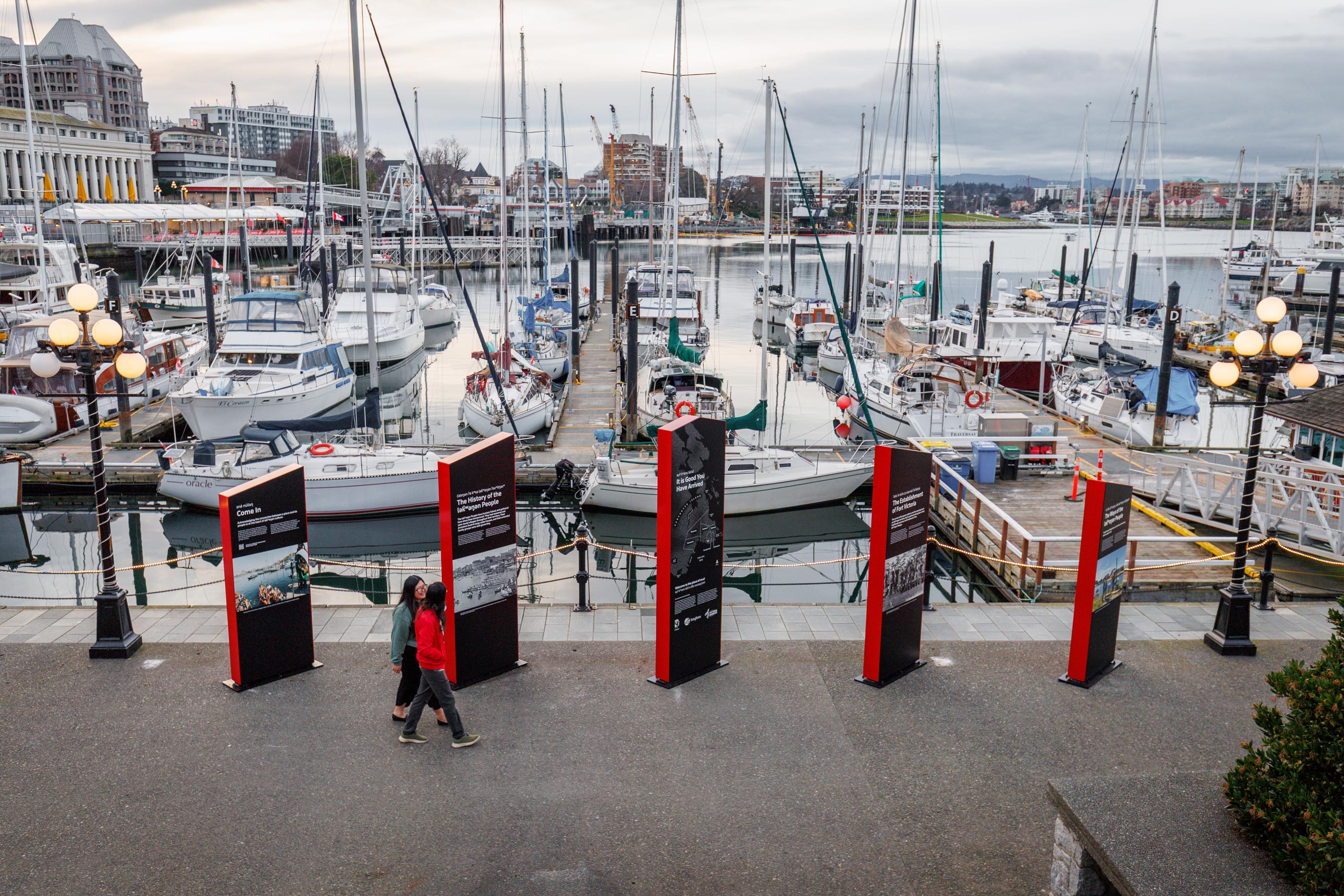
Working with the GVHA and the Songhees and xʷsepsəm Nations' artists and language teams, Lost & Found developed five interpretive display structures whose form is inspired by the distinctive shape of the traditional Big House. The profile of each structure echoes the distinctive shape of these buildings, and the core concept driving the design was to symbolically return the Big House to the Inner Harbour – to the very shores where these structures once stood before European settlement displaced the lək̓ʷəŋən People from their village at xwsəyq'әm.
xwsəyq'әm or “the Place of Mud” is an interpretive placemaking installation which reclaims and honours a site of profound cultural, ecological, and historical significance in the Inner Harbour of Victoria, BC. Long before the causeway and historic Empress Hotel were built, the area was a tidal wetland teeming with shellfish, crabs, and fish, fed by three freshwater streams. It served as a traditional village site of the lək̓ʷəŋən-speaking Songhees and xʷsepsəm (Esquimalt) Nations, a place of gathering, harvesting, and trade for generations. This interpretive installation is the latest collaboration between Lost & Found Design and the Greater Victoria Harbour Authority (GVHA) in partnership with Songhees and xʷsepsəm Nations, and part of an ongoing, community-led initiative to incorporate lək̓ʷəŋən culture, language, and history into the fabric of Victoria's Inner Harbour.
Working with the GVHA and the Songhees and xʷsepsəm Nations' artists and language teams, Lost & Found developed five interpretive display structures whose form is inspired by the distinctive shape of the traditional Big House. The profile of each structure echoes the distinctive shape of these buildings, and the core concept driving the design was to symbolically return the Big House to the Inner Harbour – to the very shores where these structures once stood before European settlement displaced the lək̓ʷəŋən People from their village at xwsəyq'әm.